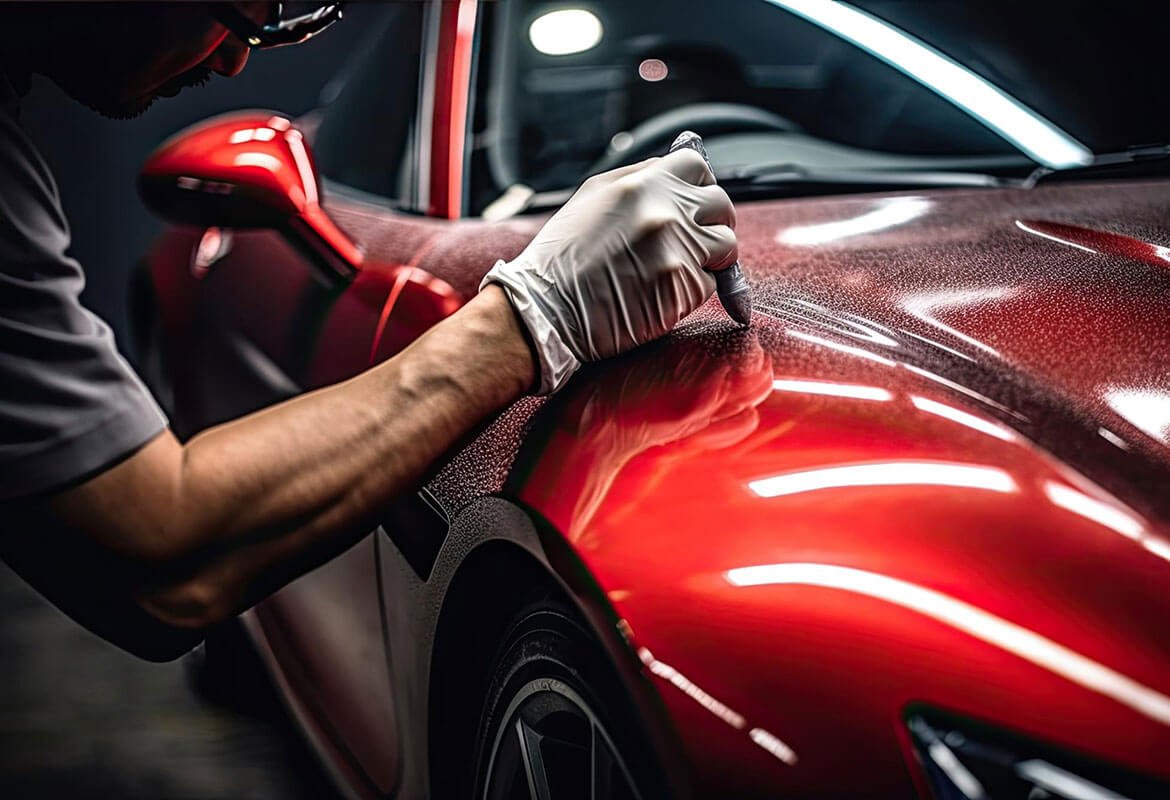
Clay Bar Treatment: What It Is and Why Your Car Needs It
Even after giving your vehicle a thorough wash with high-foaming automotive shampoo and a plush microfiber mitt, you might run your clean hand across the hood and notice something frustrating: the surface feels rough, gritty, or like fine sandpaper.
That rough texture is caused by embedded paint contaminants.
Every day you drive, invisible environmental debris—such as industrial rail dust, brake dust, brake metallic filings, tree sap, asphalt tar, and road grime—becomes embedded deep into your clear coat. Regular car washing simply washes over these bonded particles; it lacks the mechanical capability to pull them out of the paint’s microscopic pores.
If left untreated, these embedded metallic and organic contaminants oxidize, etch into the clear coat, dull your vehicle’s gloss, and prevent waxes, sealants, or ceramic coatings from bonding properly.
This is where a Clay Bar Treatment becomes an essential detailing step.
This comprehensive guide breaks down what a clay bar treatment actually is, the science behind chemical and mechanical paint decontamination, key signs your car needs to be clayed, step-by-step DIY instructions, common mistakes to avoid, and how specialized protection centers like Paprala Express use professional decontamination to restore a glass-smooth finish to your paintwork.
At a Glance: Decontamination Quick Reference
┌───────────────────────────────────────────────────────────────────────────┐
│                   PAINT DECONTAMINATION QUICK GUIDE                       │
├───────────────────────────┬───────────────────────────────────────────────┤
│ Feature / Aspect          │ Clay Bar Treatment Details                    │
├───────────────────────────┼───────────────────────────────────────────────┤
│ Primary Purpose           │ Remove bonded, embedded surface contaminants  │
│                           │ that standard washing leaves behind.           │
├───────────────────────────┼───────────────────────────────────────────────┤
│ Key Target Contaminants   │ Rail dust, brake dust, tree sap mist, asphalt │
│                           │ overspray, industrial fallout, bug residue.   │
├───────────────────────────┼───────────────────────────────────────────────┤
│ Surface Result            │ Glass-smooth paintwork ready for polishing,   │
│                           │ waxing, or ceramic coating application.       │
├───────────────────────────┼───────────────────────────────────────────────┤
│ Recommended Frequency     │ 1 to 2 Times Per Year (Spring / Autumn) or    │
│                           │ prior to applying any multi-year coating.     │
├───────────────────────────┼───────────────────────────────────────────────┤
│ Required Accompaniment    │ HIGH-LUBRICITY clay lubricant or slick shampoo│
│                           │ (NEVER use a clay bar dry!).                  │
└───────────────────────────┴───────────────────────────────────────────────┘
What Is a Clay Bar Treatment?
A clay bar is an engineered resin compound—typically a blend of natural clay polymers and synthetic plasticizers—designed specifically to pull embedded contaminants out of automotive paint, glass, and clear-coated alloy wheels without scratching the surface.
                     HOW A CLAY BAR WORKS ON PAINT
─────────────────────────────────────────────────────────────────────
[1] BONDED CONTAMINANTS : Sharp industrial fallout and metallic brake dust
                          stick into the soft upper layer of the clear coat.

[2] LUBRICATED GLIDE    : Clay lubricant creates a hydroplaning barrier over
                          the clear coat.

[3] MECHANICAL TRACTION : As the tacky clay slides across the lubricant, it
                          grabs protruding specks, shearing and shearing/pulling
                          them out of the paint pores safely.
─────────────────────────────────────────────────────────────────────
Unlike abrasive compounds or liquid chemical polishers that abrade or level clear coat thickness, an automotive clay bar relies on tackiness and surface shear. When glided across a wet, lubricated panel, the clay matrix catches the tops of stubborn contaminants protruding above the clear coat surface, lifting them cleanly out of the paint structure.
Chemical Decontamination vs. Mechanical Claying
Modern automotive detailing divides paint decontamination into two distinct stages: chemical decontamination and mechanical claying. Understanding the difference ensures your paint stays completely protected.
┌───────────────────────────────────────────────────────────────────────────┐
│             CHEMICAL DECONTAMINATION VS. MECHANICAL CLAYING               │
├───────────────────────────┬───────────────────────┬───────────────────────┤
│ Feature                   │ Chemical Decon        │ Mechanical Clay Bar   │
│                           │ (Iron/Tar Removers)   │ (Clay Bar / Synthetic)│
├───────────────────────────┼───────────────────────┼───────────────────────┤
│ Mechanism                 │ Dissolves metal specks│ Mechanically grabs and│
│                           │ and tar chemically    │ lifts protruding specs│
├───────────────────────────┼───────────────────────┼───────────────────────┤
│ Primary Target            │ Sintered brake iron,  │ Tree sap, paint spray,│
│                           │ liquid asphalt tar    │ mineral scale, grit   │
├───────────────────────────┼───────────────────────┼───────────────────────┤
│ Physical Paint Contact    │ Zero contact required │ Direct sliding contact│
│                           │ (Spray on, rinse off) │ (Requires lubricant)  │
├───────────────────────────┼───────────────────────┼───────────────────────┤
│ Ideal Sequence Position   │ STEP 1: Pre-dissolve  │ STEP 2: Lift remaining│
│                           │ heavy iron particles  │ organic/sticky specs  │
└───────────────────────────┴───────────────────────┴───────────────────────┘
Why Both Stages Matter
Using a chemical iron remover before using a clay bar dissolves razor-sharp metallic brake particles chemically. If you skip chemical decontamination and go straight to claying a heavily contaminated car, those sharp metal particles get trapped inside the clay mass and can scratch the clear coat as you slide the bar across the panel.
What Contaminants Does a Clay Bar Remove?
Every day your car sits outdoors or drives down the highway, its exterior collects a layer of environmental fallout. Standard washing cannot dislodge these stubborn contaminants:
                  COMMON EMBEDDED CONTAMINANTS
─────────────────────────────────────────────────────────────────────
• BRAKE DUST & IRON DUST  : Microscopic metal specks thrown off brake pads
                            that burn into clear coats, creating rust spots.
• RAIL DUST               : Metallic particles deposited on new cars during
                            train or transport truck transit.
• TREE SAP & ORGANIC MIST : Sticky botanical resins that bake onto paint under
                            hot sunlight, creating rough spots.
• INDUSTRIAL FALLOUT      : Chemical pollutants, factory smoke particles, and
                            acid rain mineral deposits.
• PAINT OVERSPRAY         : Micro-droplets of road line paint or construction
                            spray carried by wind onto panels.
─────────────────────────────────────────────────────────────────────
How to Test If Your Car Needs a Clay Bar Treatment: “The Plastic Bag Test”
You cannot always see embedded paint contamination with the naked eye—especially on silver, white, or light-colored vehicles. Fortunately, there is a simple, foolproof trick used by professional detailers to check paint smoothness: The Plastic Bag Test.
                   THE PLASTIC BAG TEST PROCEDURE
─────────────────────────────────────────────────────────────────────
[STEP 1] Wash and dry your vehicle thoroughly using standard car shampoo.
[STEP 2] Place your hand inside a thin sandwich bag or plastic grocery bag.
[STEP 3] Lightly run your fingertips across the bonnet, roof, or lower doors.
─────────────────────────────────────────────────────────────────────
┌───────────────────────────────────────────────────────────────────────────┐
│                    INTERPRETING BAG TEST RESULTS                          │
├───────────────────────────┬───────────────────────────────────────────────┤
│ What You Feel Through Bag │ Diagnosis & Action Needed                     │
├───────────────────────────┼───────────────────────────────────────────────┤
│ Glass-Smooth & Silky      │ PAINT IS CLEAN: No claying required. Proceed  │
│                           │ directly to applying wax or sealant.          │
├───────────────────────────┼───────────────────────────────────────────────┤
│ Gritty, Bumpy, or Like    │ PAINT IS CONTAMINATED: Embedded fallout is    │
│ Fine Sandpaper            │ present. A clay bar treatment is required.     │
└───────────────────────────┴───────────────────────────────────────────────┘
The thin plastic bag amplifies tactile feedback, allowing your nervous system to feel micro-particles embedded in the clear coat that bare skin misses.
Why Is Claying Essential Before Waxing or Ceramic Coating?
Applying a wax, paint sealant, or high-durability Ceramic Coating over un-clayed, contaminated paint is one of the most common detailing mistakes.
                     UN-CLAYED vs. CLAYED SURFACE
─────────────────────────────────────────────────────────────────────
UN-CLAYED SURFACE : Wax/Coating sits ON TOP of protruding dirt particles.
                    • Poor bonding adhesion (Lasts weeks instead of years).
                    • Traps roughness underneath permanently.
                    • Light reflects unevenly, dulling paint gloss.

CLAYED SURFACE    : Wax/Coating bonds directly to smooth, bare clear coat.
                    • Maximum chemical cross-linking and durability.
                    • Flawless, mirror-like gloss and reflection.
─────────────────────────────────────────────────────────────────────
When you clay your paintwork prior to protection, you create a surgically clean foundation. This allows ceramic coatings or synthetic sealants to form a tight, covalent bond directly with the clear coat, ensuring maximum durability and deep visual reflections.
Step-by-Step DIY Clay Bar Protocol
If you choose to clay your vehicle at home, following proper technique prevents introducing wash swirls or micro-marring into soft clear coats.
                 DIY CLAY BAR STEP-BY-STEP WORKFLOW
─────────────────────────────────────────────────────────────────────
[1] DEEP WASH & DRY  : Wash vehicle thoroughly using the two-bucket method.
[2] KNEAD CLAY PUCK  : Cut clay bar into 3-4 pieces. Flatten one piece into a
                       smooth, palm-sized patty.
[3] LIBERAL LUBRICATION: Spray dedicated clay lubricant generously across a
                       2ft x 2ft section of paint.
[4] LIGHT GLIDE PASS : Slide clay back and forth in straight, overlapping lines.
                       NEVER press down hard or scrub in circles.
[5] INSPECT & FOLD   : Check clay face frequently. Fold dirty clay inward to
                       expose a fresh, clean clay surface.
[6] WIPE CLEAN       : Wipe away leftover lubricant using a soft microfiber
                       towel and move to the next section.
─────────────────────────────────────────────────────────────────────
Critical Rules: Mistakes to Avoid When Claying
Claying is safe when performed correctly, but simple mistakes can mar your clear coat finish.
┌───────────────────────────────────────────────────────────────────────────┐
│                    CLAY BAR SAFETY RULES & DON'TS                         │
├───────────────────────────────────┬───────────────────────────────────────┤
│ DO THIS (Safe Method)             │ NEVER DO THIS (Risks Paint Damage)    │
├───────────────────────────────────┼───────────────────────────────────────┤
│ • Use plenty of slick clay        │ ❌ NEVER use a clay bar dry or with   │
│   lubricant on every pass.        │    plain tap water.                   │
├───────────────────────────────────┼───────────────────────────────────────┤
│ • Work in straight, gentle lines  │ ❌ NEVER press down forcefully onto the│
│   (Up/Down or Left/Right).        │    panel with your hand.              │
├───────────────────────────────────┼───────────────────────────────────────┤
│ • DISCARD CLAY IMMEDIATELY if     │ ❌ NEVER reuse a clay bar that has    │
│   it drops onto the ground!       │    touched the floor or driveway.     │
├───────────────────────────────────┼───────────────────────────────────────┤
│ • Store clay in a sealed container│ ❌ NEVER clay hot paint under direct  │
│   misted with lubricant.          │    summer sunlight.                   │
└───────────────────────────────────┴───────────────────────────────────────┘
CRITICAL WARNING: If you drop a piece of detailing clay onto the ground, THROW IT AWAY IMMEDIATELY. The tacky resin will pick up sand, grit, and tiny rocks from the floor. Attempting to wipe or reuse dropped clay will drag those sharp stones across your paint, deep-scratching your clear coat.
Traditional Clay Bars vs. Modern Synthetic Clay Mitts
Recent advances in detailing technology have introduced synthetic clay mitts, clay towels, and clay pads alongside traditional clay bars.
┌───────────────────────────────────────────────────────────────────────────┐
│                   TRADITIONAL CLAY VS. SYNTHETIC CLAY MITTS               │
├───────────────────┬───────────────────────┬───────────────────────────────┤
│ Feature           │ Traditional Clay Bar  │ Synthetic Clay Mitt / Towel   │
├───────────────────┼───────────────────────┼───────────────────────────────┤
│ Material Base     │ Natural/Synthetic Resin│ Polymer Rubber Surface       │
├───────────────────┼───────────────────────┼───────────────────────────────┤
│ Speed & Surface   │ Moderate (Small patty)│ EXTREME (Covers large panels  │
│ Coverage          │                       │ in a single pass)             │
├───────────────────┼───────────────────────┼───────────────────────────────┤
│ Dropped-On-Floor  │ MUST DISCARD          │ RINSE OFF & REUSE             │
│ Scenario          │ (Traps sand inside)   │ (Sand rinses off rubber face) │
├───────────────────┼───────────────────────┼───────────────────────────────┤
│ Contamination     │ High (Deeply grabs    │ Moderate to High (Ideal for   │
│ Pulling Power     │ severe overspray)     │ maintenance decontamination)  │
└───────────────────┴───────────────────────┴───────────────────────────────┘
Traditional clay bars remain the top choice for heavy industrial fallout or stubborn paint overspray, while synthetic clay mitts offer a faster alternative for routine maintenance decontamination.
Authority & Precision: The Paprala Express Decontamination Advantage
While claying can be tackled as a DIY project, improper technique or poor lubrication can introduce light micro-marring onto soft clear coats, requiring machine polishing to fix.
Specialized protection facilities like Paprala Express combine multi-stage chemical decontamination, synthetic clay treatments, and precision paint prep to deliver showroom results.
                  THE PAPRALA EXPRESS DECONTAMINATION CODE
─────────────────────────────────────────────────────────────────────
[1] pH-BALANCED FOAM PRE-RINSE : Softens surface dirt and strips oils without
                                 scratching clear coats.

[2] DUAL CHEMICAL DECON        : Chemical iron fallout extractors + tar
                                 dissolvers eliminate metal particles safely.

[3] LUBRICATED MECHANICAL CLAY : Precision clay bar treatment removes remaining
                                 tree sap, overspray, and fallout.

[4] SINGLE-STAGE FINISHING PASS: Light machine polish eliminates micro-marring,
                                 restoring maximum optical depth and gloss.
─────────────────────────────────────────────────────────────────────
Why Drivers Choose Paprala Express:
1. Multi-Stage Decontamination Protocols
Paprala Express never relies solely on mechanical claying. Every vehicle undergoes a multi-step decontamination process—combining chemical iron extractors, tar dissolvers, and lubricated clay passes to safely strip embedded fallout without marring soft clear coats.
2. Complete Paint Prep for Coatings & PPF
If you are planning to protect your vehicle with a multi-year Ceramic Coating or Paint Protection Film (PPF), Paprala Express ensures the underlying paintwork is completely smooth and free of contaminants. This thorough surface prep guarantees maximum adhesion and long-lasting protection.
3. Skilled Craftsmanship & Care
Paprala Express technicians analyze your vehicle’s clear coat thickness and paint condition before selecting the right clay grade (fine, medium, or heavy) and high-lubricity lubricants. Their precise approach restores a silky, glass-smooth finish to your vehicle’s paintwork.
Summary: Restoring Your Paint’s True Potential
A Clay Bar Treatment is an essential maintenance step for keeping your car’s exterior smooth, glossy, and fully protected.
By stripping away embedded rail dust, brake metal specks, tree sap, and road fallout, claying restores a glass-smooth finish, improves light reflections, and prepares your clear coat for long-lasting wax, sealant, or ceramic protection.
Ready to clear embedded contaminants and restore a glass-smooth finish to your vehicle? Contact the paint protection team at Paprala Express today to book a comprehensive decontamination and detailing service!