Why Road Salt Is Damaging Your Car (And How to Prevent It)
Winter driving in cold climates brings ice, slush, and heavy snowfall. To keep highways, overpasses, and city streets navigable, municipal road crews rely heavily on road salt and chemical de-icers.
While these treatments lower the freezing point of water and melt hazardous ice, they create a major hidden threat for vehicle owners: accelerated corrosion and structural damage.
Road salt doesn’t just sit on your tires; it atomizes into a fine, chemical mist that coats your paint, frame, suspension components, and undercarriage. Left unchecked, salt eats away at exposed metal, degrades brake lines, and ruins clear coat finishes.
Understanding the chemistry of road salt, identifying high-risk areas on your vehicle, and implementing long-term protective barriers—such as the advanced ceramic coatings used by Paprala Express—will help keep your vehicle safe, functional, and rust-free all winter long.
At a Glance: Road Salt Impact & Prevention Summary
┌───────────────────────────────────────────────────────────────────────────┐
│                      ROAD SALT DAMAGE & DEFENSE MATRIX                    │
├───────────────────────────┬───────────────────────────────────────────────┤
│ Vehicle Area              │ Salt Damage Risk & Protective Solution        │
├───────────────────────────┼───────────────────────────────────────────────┤
│ Undercarriage & Frame     │ HIGH RISK: Structural rust, frame rot         │
│                           │ Defense: Frequent underbody flushes & oil spray│
├───────────────────────────┼───────────────────────────────────────────────┤
│ Brake Lines & Suspension  │ CRITICAL SAFETY RISK: Seized calipers, rotted │
│ Components                │ steel lines; Defense: Bi-weekly underbody rinses│
├───────────────────────────┼───────────────────────────────────────────────┤
│ Painted Body Panels       │ MODERATE TO HIGH RISK: Clear coat etching,    │
│                           │ paint bubbling; Defense: Professional Ceramic │
│                           │ Coatings & sacrificial sealants               │
├───────────────────────────┼───────────────────────────────────────────────┤
│ Alloy Wheels & Brakes     │ HIGH RISK: Pitting, clear coat failure        │
│                           │ Defense: Wheel-specific ceramic coatings      │
└───────────────────────────┴───────────────────────────────────────────────┘
The Chemistry of Corrosion: How Road Salt Destroys Metal
To prevent road salt damage, you first need to understand the chemical process behind it. Corrosion occurs naturally when refined metals are exposed to oxygen and water—a process known as oxidation.
                   THE RUST FORMULATION EQUATION
─────────────────────────────────────────────────────────────────────
BASIC RUST     : Iron (Fe) + Water (H₂O) + Oxygen (O₂) = Iron Oxide (Rust)
ACCELERATED    : Salt acts as an electrolyte, increasing free ions in water.
                 This speeds up the electrochemical reaction, causing metal
                 to oxidize up to 10X faster than normal.
─────────────────────────────────────────────────────────────────────
Traditional Rock Salt vs. Modern Liquid De-Icers
Municipalities have shifted from using simple dry rock salt (Sodium Chloride) toward aggressive liquid chemical pre-treatments:
┌───────────────────────────────────────────────────────────────────────────┐
│                     ROAD DE-ICING CHEMICAL COMPARISON                     │
├───────────────────────────┬───────────────────────────────────────────────┤
│ Chemical Agent            │ Properties & Corrosion Threat Level           │
├───────────────────────────┼───────────────────────────────────────────────┤
│ Sodium Chloride           │ Traditional rock salt. Effective down to -9°C.│
│ (Rock Salt)               │ High rust risk when mixed with road slush.   │
├───────────────────────────┼───────────────────────────────────────────────┤
│ Calcium Chloride          │ Liquid agent sprayed before storms. Highly    │
│ (Liquid Pre-Wet)          │ hygroscopic (attracts air moisture); stays    │
│                           │ wet and active on metal even in dry weather. │
├───────────────────────────┼───────────────────────────────────────────────┤
│ Magnesium Chloride        │ Used in extreme cold. Highly corrosive to     │
│ (Low-Temp Liquid)         │ exposed aluminum, wiring, and steel fittings. │
└───────────────────────────┴───────────────────────────────────────────────┘
Because liquid de-icers like calcium chloride are hygroscopic, they pull moisture out of the air continuously. This keeps rust-causing chemicals active on your vehicle’s frame, suspension, and body panels long after winter storms have passed.
The Hidden Danger Areas on Your Vehicle
Road salt damage rarely starts in plain sight. It begins silently beneath your car, in dark, hidden crevices where moisture and road grime gather.
┌───────────────────────────────────────────────────────────────────────────┐
│                       SALT CORROSION TARGET ZONES                         │
├───────────────────────────┬───────────────────────────────────────────────┤
│ Target Zone               │ Specific Failure Point                        │
├───────────────────────────┼───────────────────────────────────────────────┤
│ Frame Rails & Floor Pans  │ Structural thinning, rusted floorboards,      │
│                           │ weakened frame integrity.                     │
├───────────────────────────┼───────────────────────────────────────────────┤
│ Hydraulic Brake Lines     │ Pitted steel lines leading to sudden fluid    │
│                           │ leaks and loss of braking power.              │
├───────────────────────────┼───────────────────────────────────────────────┤
│ Exhaust Systems           │ Rotted mufflers, rusted oxygen sensors,       │
│                           │ cracked exhaust manifold flanges.             │
├───────────────────────────┼───────────────────────────────────────────────┤
│ Lower Rocker Panels &     │ Paint bubbling along lower doors, rust holes  │
│ Wheel Arches              │ around wheel wells.                           │
└───────────────────────────┴───────────────────────────────────────────────┘
How Warm Weather Speeds Up Rust: The Warm-Up Trap
A common misconception among drivers in cold climates is holding off on car washes during temporary warm-ups or Chinook melts. This is a dangerous mistake.
Chemical oxidation slows down dramatically in sub-zero temperatures. Below -15°C, salt sits largely inert against your vehicle’s paint and metal.
                  THE WARM-UP CORROSION ACCELERATOR
─────────────────────────────────────────────────────────────────────
FREEZING TEMPS (-15°C) : Salt + Metal = Slow, dormant chemical activity
THAW / CHINOOK (0°C+)  : Salt + Water + Heat = RAPID OXIDATION (ACTIVE RUST)
─────────────────────────────────────────────────────────────────────
When winter temperatures rise above freezing, ice pack built up in wheel wells melts into standing water. The jump in temperature activates the dormant salt slurry, causing bare metal and underbody parts to rust rapidly.
Key Rule: The most critical time to wash your vehicle is during or immediately following a winter thaw. Rinsing off salt slurry right as temperatures cross 0°C stops active corrosion before it eats into your metal.
Short-Term Prevention: Tactical Winter Maintenance
To protect your vehicle through the winter, build a reliable maintenance routine.
               WINTER VEHICLE DEFENSE CHECKLIST
─────────────────────────────────────────────────────────────────────
[ ] Wash every 7 to 10 days using high-pressure underbody flushes.
[ ] Avoid tailgating salt spreaders and plow trucks on highways.
[ ] Clear out snow pack from wheel wells manually after driving.
[ ] Touch up chipped paint before winter weather hits.
[ ] Avoid parking in heated garages when covered in salt slush.
─────────────────────────────────────────────────────────────────────
Why Heated Garages Can Speed Up Rust
Parking a salt-covered vehicle inside a heated garage sounds like a great way to protect it, but it can actually accelerate rust. The heat melts ice into standing water while providing the warm conditions salt needs to oxidize metal rapidly. Unless you wash your vehicle thoroughly before pulling inside, parking a salt-covered car in a warm garage Speeds up structural rust formation.
Long-Term Prevention: Ceramic Coatings as a Defensive Shield
While regular washing removes surface salt, it doesn’t shield your clear coat or metals from chemical etching between washes. That requires a permanent sacrificial barrier.
Traditional waxes and organic sealants break down when exposed to harsh winter road chemicals, road salt, and acidic de-icers. This is where Professional Ceramic Coatings come in.
┌───────────────────────────────────────────────────────────────────────────┐
│                    BARRIER TECHNOLOGY COMPARISON                          │
├───────────────────┬───────────────────┬───────────────────┬───────────────┤
│ Metric            │ Carnauba Wax      │ Polymer Sealant   │ Professional  │
│                   │                   │                   │ Ceramic Coating│
├───────────────────┼───────────────────┼───────────────────┼───────────────┤
│ Chemical          │ Poor (Degrades    │ Moderate          │ Exceptional   │
│ Resistance        │ under pH > 9)     │ (pH 4 to pH 10)   │ (pH 2 to pH 13)│
├───────────────────┼───────────────────┼───────────────────┼───────────────┤
│ Winter Lifespan   │ 2 to 4 Weeks      │ 2 to 3 Months     │ 3 to 7+ Years │
├───────────────────┼───────────────────┼───────────────────┼───────────────┤
│ Hydrophobic       │ Low               │ Moderate          │ Extreme       │
│ Self-Cleaning     │                   │                   │               │
├───────────────────┼───────────────────┼───────────────────┼───────────────┤
│ Molecular Bond    │ Surface Layer     │ Surface Adhesion  │ Covalent      │
│                   │                   │                   │ Cross-Linking │
└───────────────────┴───────────────────┴───────────────────┴───────────────┘
How Paprala Express Uses Ceramic Coating as a Long-Term Barrier
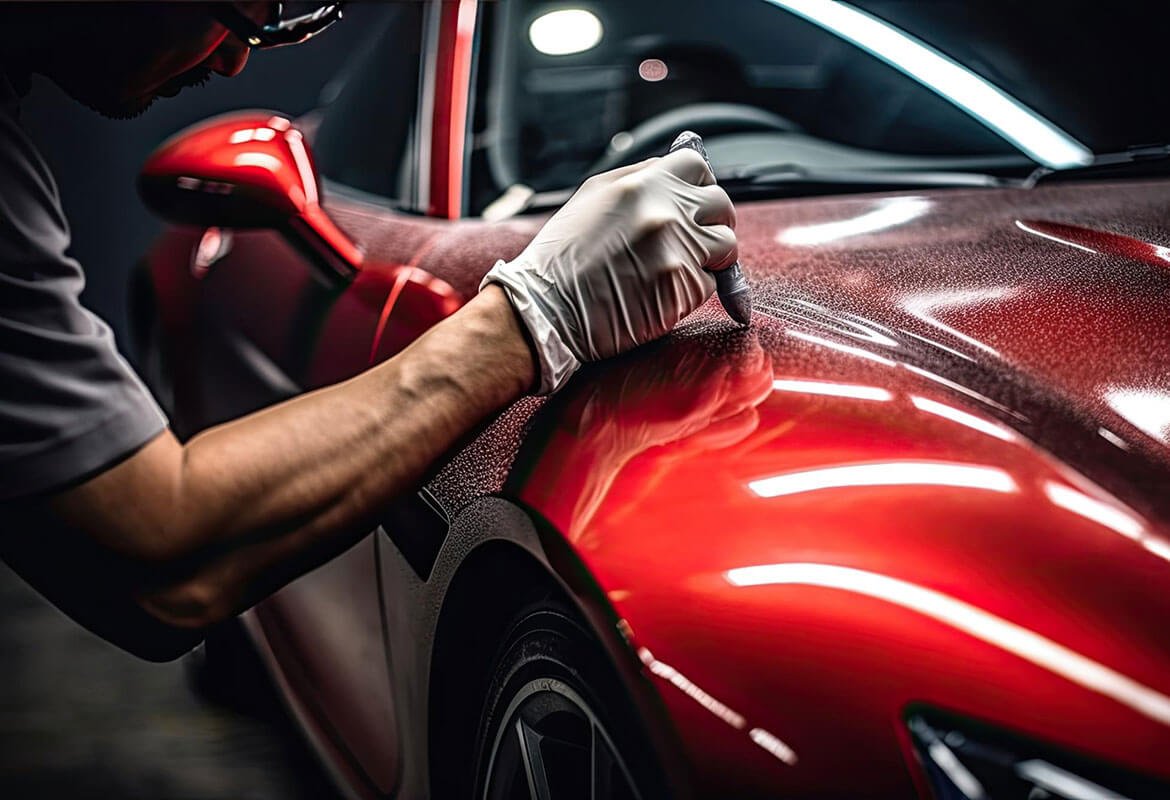
To protect vehicles against winter road environments, specialized protection centers like Paprala Express utilize professional-grade ceramic coatings as a primary line of defense.
By applying high-solids Silicon Dioxide ($\text{SiO}_2$) and Silicon Carbide ($\text{SiC}$) formulas, Paprala Express creates a slick, semi-permanent barrier over clear coat finishes, alloy wheels, and painted surfaces.
                      CERAMIC SHIELD MECHANISM
─────────────────────────────────────────────────────────────────────
UNPROTECTED PAINT   : Microscopic pores trap road salt, moisture, and acid.
                      Chemicals etch directly into clear coat layers.

CERAMIC PROTECTED   : Ultra-dense $\text{SiO}_2$ lattice fills pores, forming a
                      smooth glass-like layer that repels water and prevents
                      salt brine from sticking.
─────────────────────────────────────────────────────────────────────
Key Advantages of Ceramic Coatings in Winter Driving:
1. Broad Chemical Resistance (pH 2 to pH 13)
Industrial liquid de-icers, calcium chloride mists, and heavy alkali wash soaps quickly strip conventional car waxes. Professional ceramic coatings withstand a wide pH range, protecting underlying paint finishes from salt corrosion.
2. Self-Cleaning Hydrophobic Properties
Ceramic coatings feature extremely high water contact angles ($>110^\circ$). This slick surface prevents winter slush, salt brine, and road grime from bonding tightly to body panels. Most winter dirt slides off easily during a gentle, touchless pressure wash.
3. Wheel & Caliper Protection
Alloy wheels and brake calipers face high heat and direct exposure to flying road salt. Applying high-temp ceramic coatings directly to wheel faces and barrels prevents hot brake dust and salt brine from pitting and dulling factory metal finishes.
Combining PPF and Ceramic Coating for Maximum Defense
For vehicles driven daily in harsh winter conditions, combining Paint Protection Film (PPF) with a Professional Ceramic Coating delivers complete surface protection.
               THE ULTIMATE DUAL-LAYER WINTER SHIELD
─────────────────────────────────────────────────────────────────────
[LAYER 1] PPF (Clear Bra)        : Stops physical impacts from flying gravel,
                                   road salt pellets, and rock chips.

[LAYER 2] CERAMIC COATING        : Applied over PPF; provides chemical
                                   resistance, hydrophobic slickness, and UV
                                   protection while stopping salt staining.
─────────────────────────────────────────────────────────────────────
By placing impact-resistant PPF over vulnerable front bumpers and hood edges, then topping the entire vehicle with ceramic coating systems like those installed at Paprala Express, you build a complete barrier against both physical stone chips and aggressive chemical salt corrosion.
Summary: Protecting Your Car This Winter
Road salt and liquid de-icers keep winter roads safe, but they cause severe damage to unprotected vehicles.
By understanding how liquid de-icers accelerate rust, rinsing your undercarriage regularly—especially during warm-ups—and investing in long-term protection like professional ceramic coatings, you can shield your paint and frame from chemical etching.
Taking time to protect your vehicle with ceramic barriers from established protection centers like Paprala Express preserves your vehicle’s appearance, prevents costly mechanical rust repairs, and maintains its resale value for years to come.